End-of-day reporting works best while the day is still explainable
Daily reporting preserves the context behind takings, deposits and variances before the next shift makes yesterday harder to reconstruct.
HOPS Team
Product & Operations
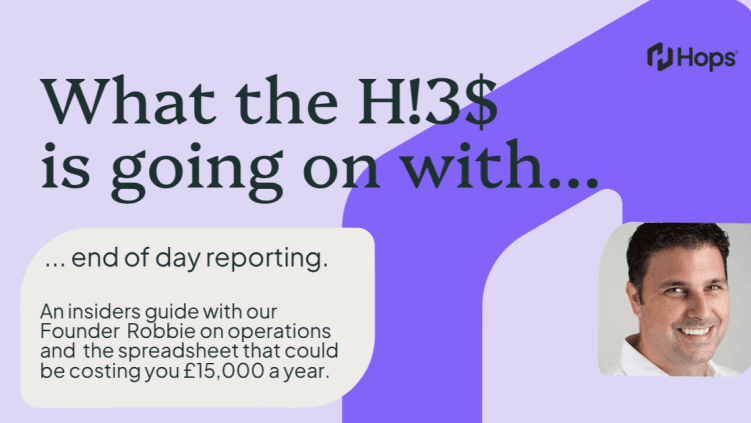
A spreadsheet can hold a closing number. The harder question is whether it preserves enough context to explain that number tomorrow morning.
End-of-day reporting is most useful when it happens close to the operation. The person completing the cash-up still remembers the shift, unexpected payments and anything that needs explaining. Once that context is separated from the figure, another manager has to reconstruct the day from messages, bank records and assumptions.
Daily visibility changes the response
Delayed reporting turns an operational issue into historical investigation. Daily reporting gives the business a chance to identify a discrepancy while the evidence is still available.
A controlled close should bring together the till totals, actual cash and card takings, deposits, variances and the notes that explain unusual activity. For multi-site operators, it should also show which locations have completed the process and which still need attention.
The spreadsheet is not the only problem
The original Hops post introduced Robbie Francis' column with the line “The spreadsheet that could be losing you £15,000 a year.” The exact exposure will differ by operation, so that figure should not be read as a guaranteed saving. The underlying risk is broader: recurring differences are harder to challenge when the close is late, inconsistent or disconnected from the supporting transactions.
Hops Finance brings cash-up, deposits and reporting into one controlled workflow, with the operational evidence available alongside the final number.
View the original LinkedIn post: Hops' end-of-day reporting post, published 1 July 2026
Tags